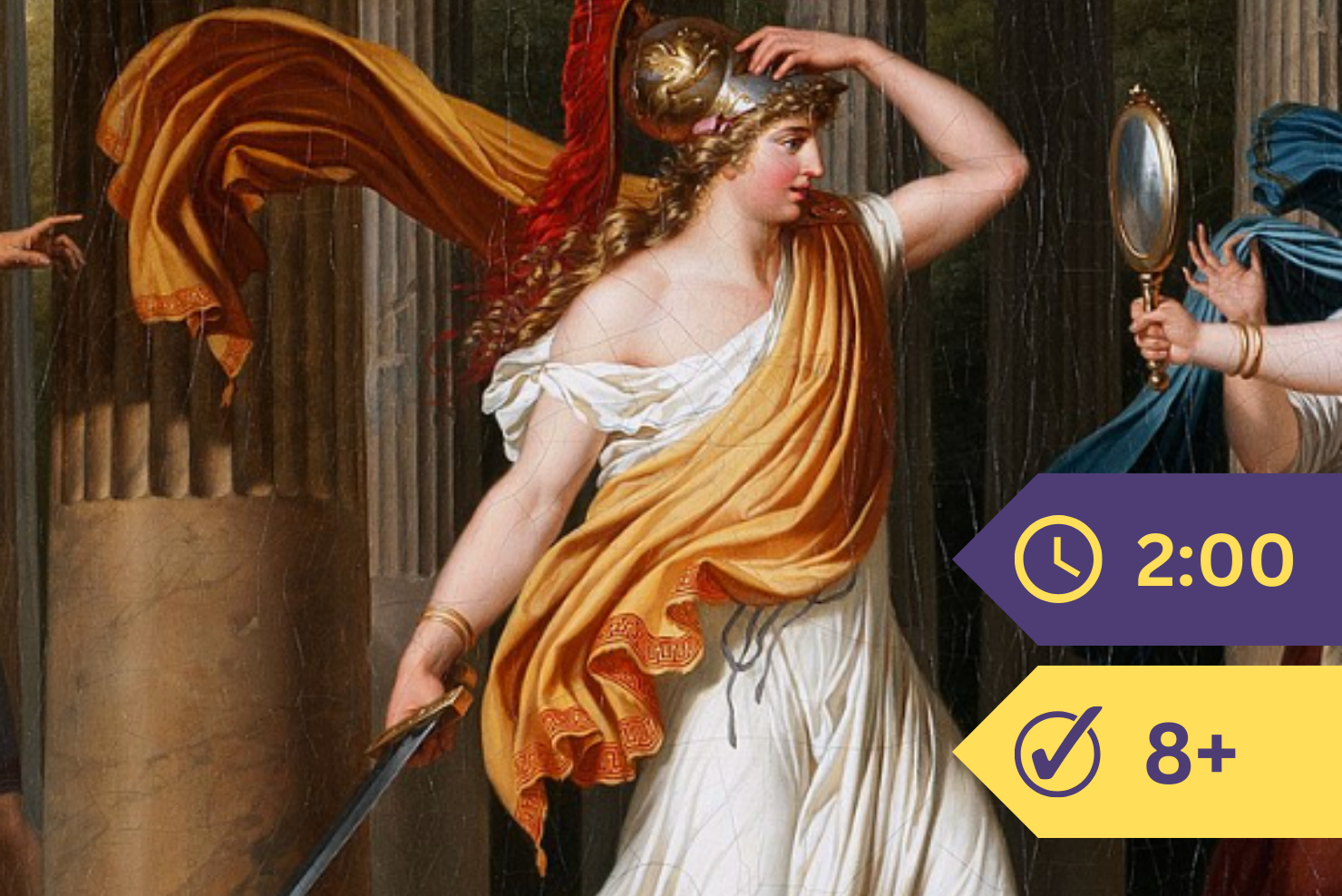
Echo, a chatty nymph, used to entertain Juno with her stories, distracting her from Jupiter’s various mischiefs and adventures. But when Juno realized Echo’s distraction was only enabling Jupiter’s wrongdoings, she punished her by limiting her speech to repeating the last words she heard.
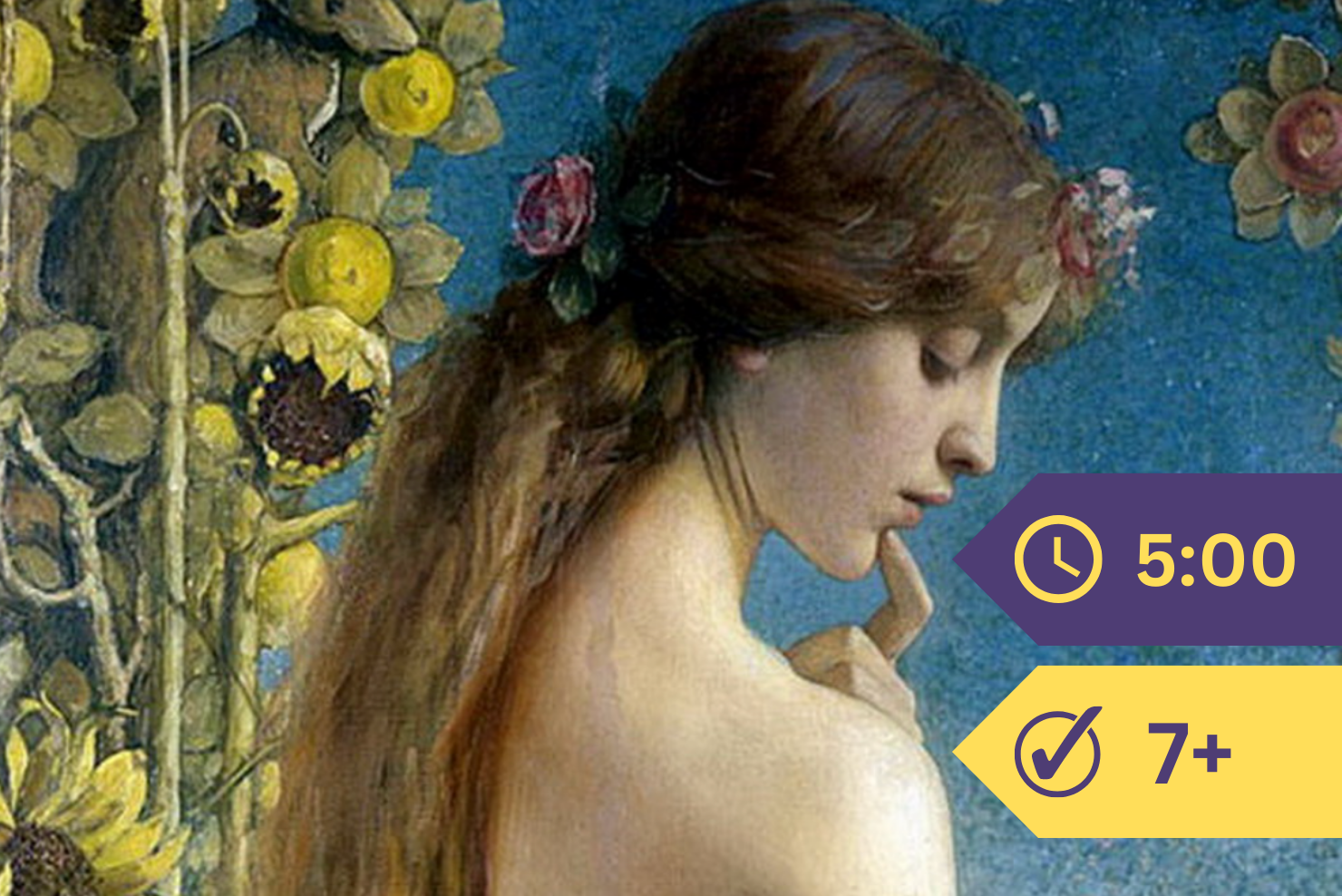
In a forest not far from there lived a handsome young man named Narcissus, known for his beauty and sharp wit. Many boys and girls tried to woo him, but his pride and vanity made him dismiss them all. Echo, now only able to repeat the last words spoken to her, saw Narcissus in the woods and instantly fell in love with him. She followed him closely, but she couldn’t speak to him unless he said something first.
One day, Narcissus was separated from his friends and called out, “Is there anyone here?” Echo eagerly responded, “Here!” Surprised, Narcissus looked around and shouted, “Come!” Echo repeated, “Come!” Confused, Narcissus asked, “Why do you avoid me?” and Echo responded with the same words.
Frustrated, Narcissus said, “Let us meet here,” and Echo, thrilled, replied, “Let us meet here!” She ran towards him, ready to embrace her love, but he backed away. “Stay away from me!” he exclaimed. “I’d rather die than be with you!” Heartbroken, she could only repeat, “Be with you.”
After that, Echo retreated into the forest, hiding her tear-stained face behind green leaves. She lived alone in caves, her love for Narcissus growing stronger despite his rejection. Over time, her body withered away, leaving only her voice and bones, which turned to stone. She could never be seen on the mountains again, but her voice could still be heard echoing throughout the woods.
Meanwhile, Narcissus continued to break hearts, unaware of the pain he caused. But his beauty couldn’t save him from his own vanity. One day, he came across a crystal-clear pool and saw his reflection in the water. He fell in love with the image, not realizing it was just his reflection.
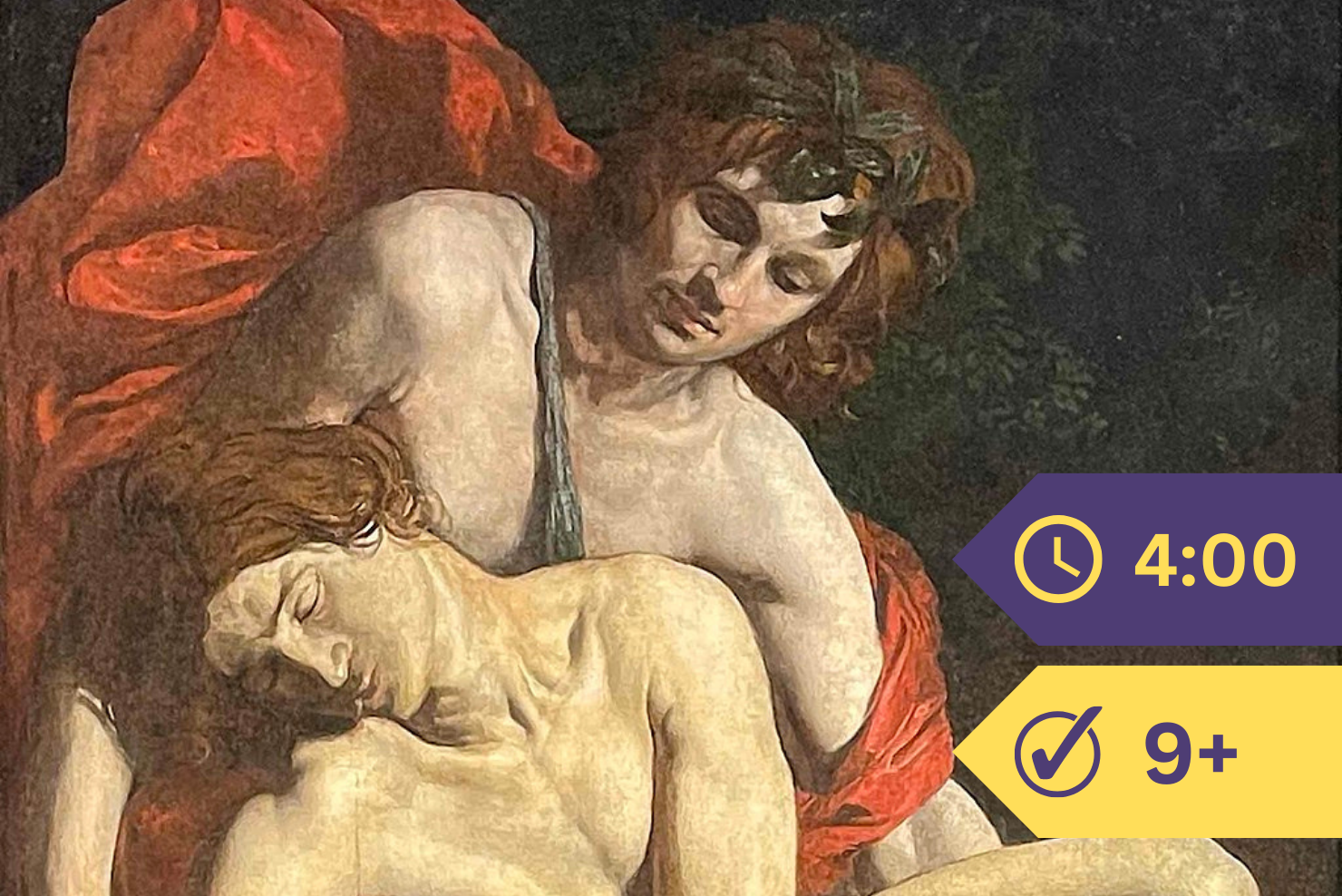
He was captivated and couldn’t tear his gaze away, even as he grew weak with hunger and thirst. Eventually, his body gave out, and he collapsed, never knowing the truth of the beautiful face he saw in the water.
As the story of Narcissus and Echo spread, people remembered the power of love and the importance of humility. They learned that sometimes, the very thing we seek can lead to our own destruction, and that love can be a powerful force, even when it’s unrequited.