Once upon a time, long, long ago, the mystical British Isles were home to a brave and intelligent people called the Celts.
Among these Celts was an order of wise people called the Druids. These Druids were doctors, scholars, and even magicians, as well as priests. They worshipped the sun god whom they affectionately called Baal. Every year, they would light big, bright fires to honor Baal, creating a beautiful spectacle that illuminated the night.
“Let the sacred fires rise, for it is the festival of Samhain!” they would call out. Samhain, which meant “the end of summer,” was a grand festival celebrated during the late fall. It was a time to give thanks for the harvest and share in the joy of the season. The tradition of lighting bonfires during Halloween in modern times is a nod to these ancient rituals of fire worship.
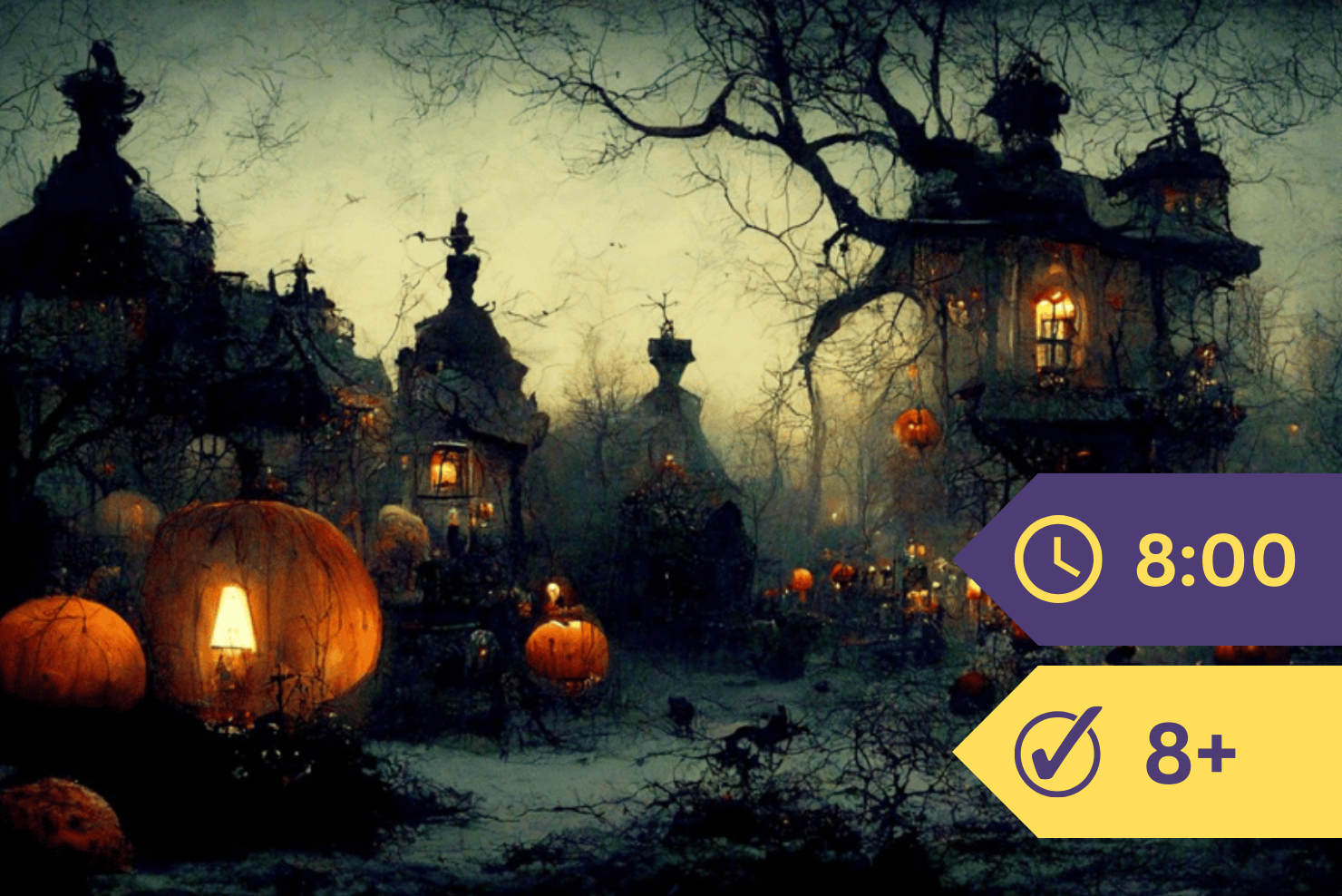
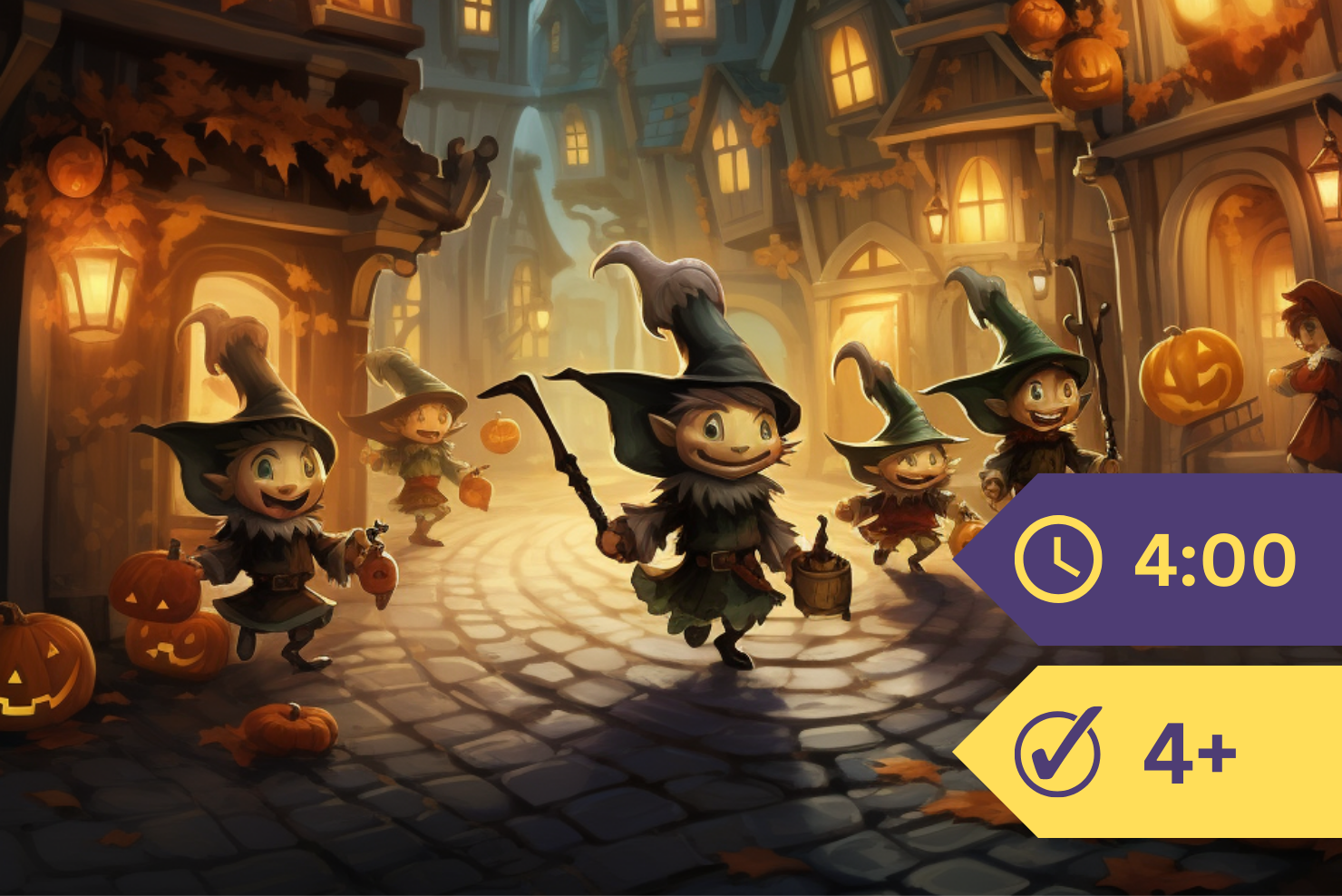
Now, there was an old tale, a superstition that on the night of Samhain, the spirits of those who had passed were allowed to walk amongst the living. It was also believed that mystical creatures like fairies, sprites, goblins, and gnomes emerged from their hidden homes in the forests and played pranks on unsuspecting humans.
“Tonight, the veil between our world and theirs is thin. Keep the fires burning brightly!” the Druids would advise. They believed that the sacred fires acted as a charm to keep away evil spirits and any mischievous spells cast by the forest dwellers.
When Christianity was introduced into England, the church renamed the old pagan festivals. The harvest festival, previously known as Samhain, was renamed All Hallow Eve, because it was the night before All Saints’ Day, which was November first. Hence, we now know this day as Halloween.
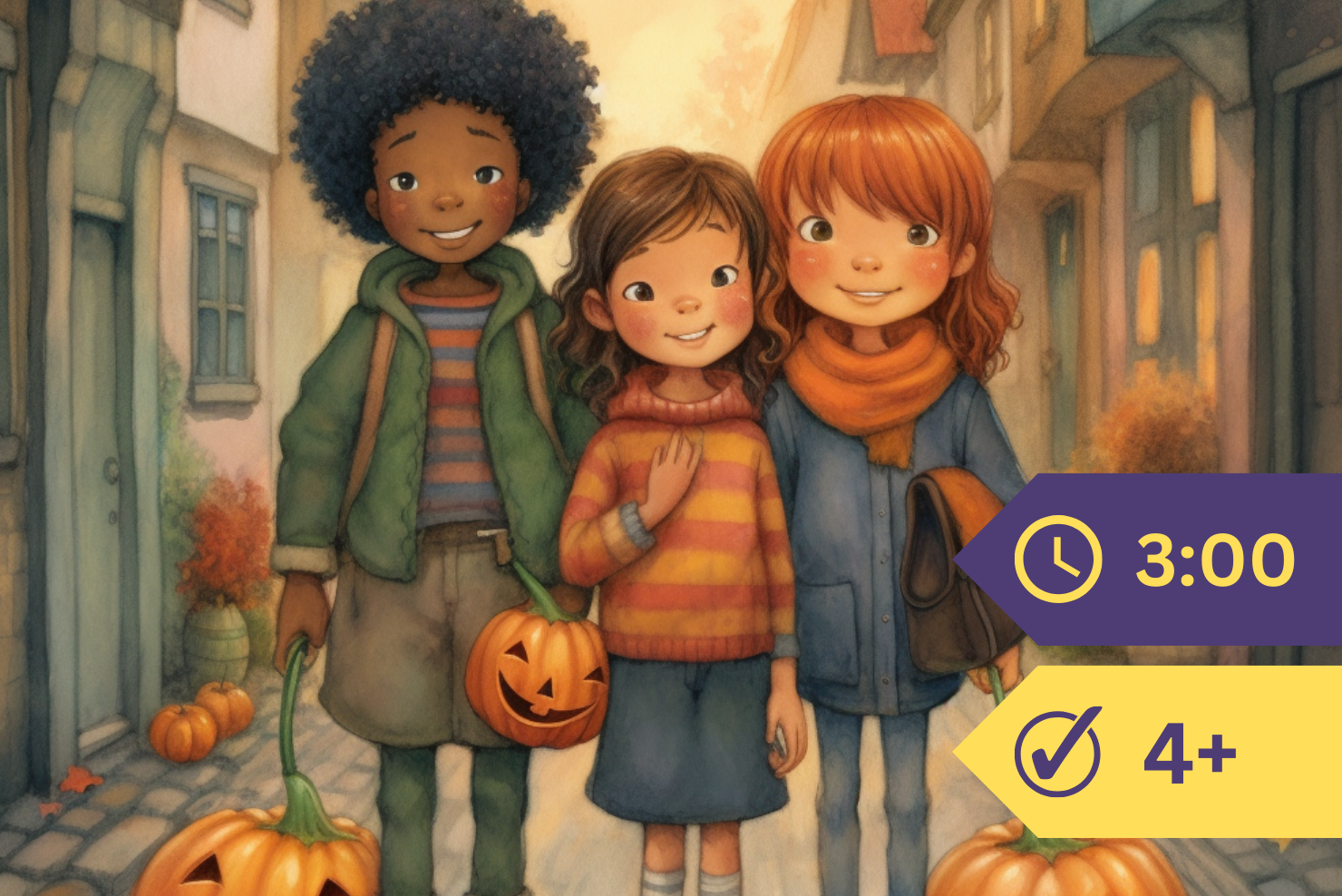
The ancient rituals and beliefs are remembered today mostly as fun and games. Children delight in costumes, bonfires, jack-o’-lanterns, fortune-telling, and the idea of witches and black cats. These playful traditions are gentle echoes of the old superstitions, adding an extra dash of excitement to Halloween.
“Look at my spooky costume! I am a fairy from the ancient forest!” a child would exclaim, revelling in the spirit of the occasion.
Halloween, with its variety of activities and strange but fun traditions, has become one of the most exciting celebrations. Even though we no longer believe in the old superstitions, they add a special touch to this festive time of the harvest season. So next time you light a bonfire or carve a jack-o’-lantern on Halloween, remember, you are taking part in a tradition that is thousands of years old!